
To help you navigate modeling possibilities
First question about your process:
Is there change or no change?
change
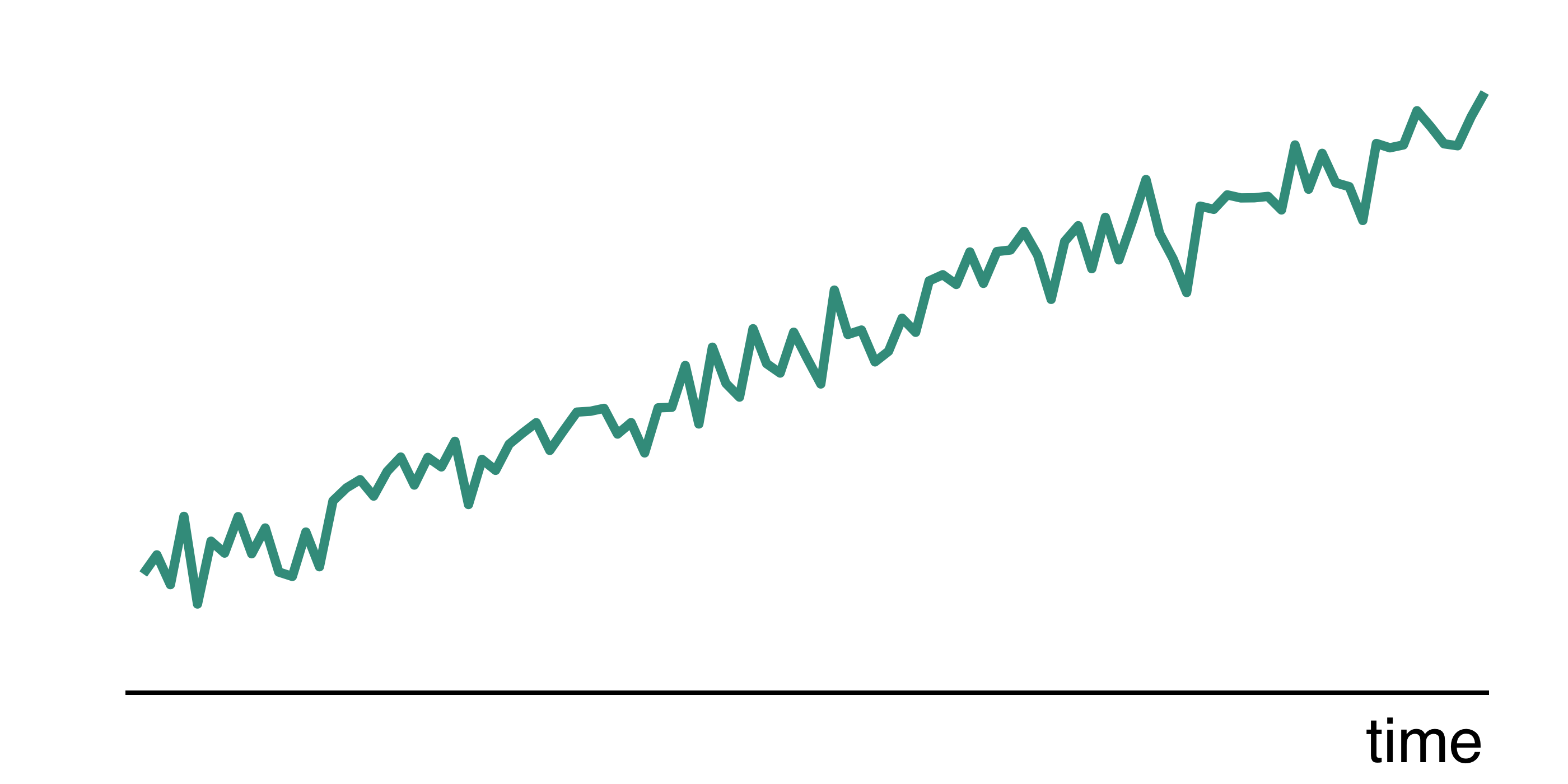
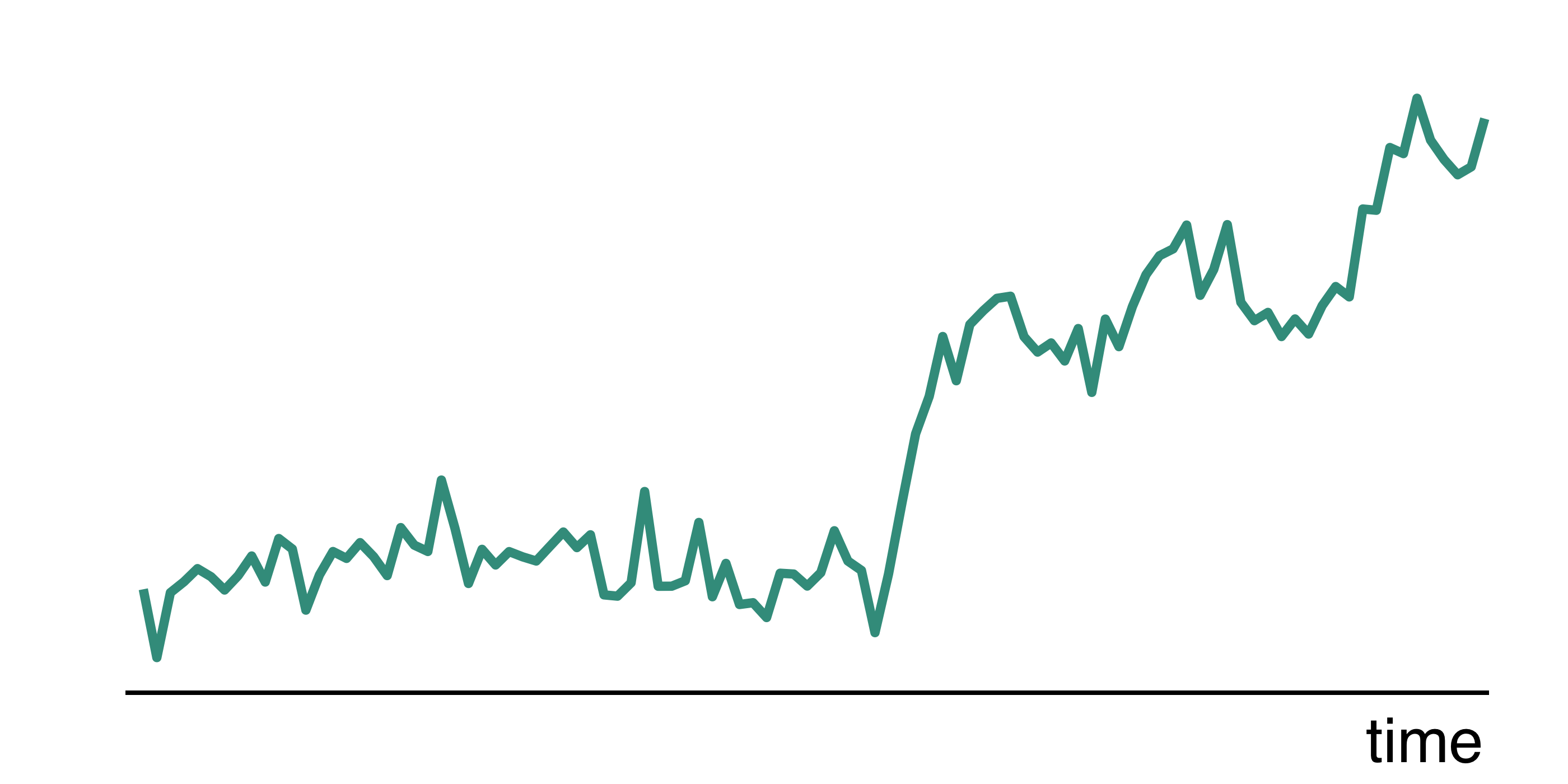
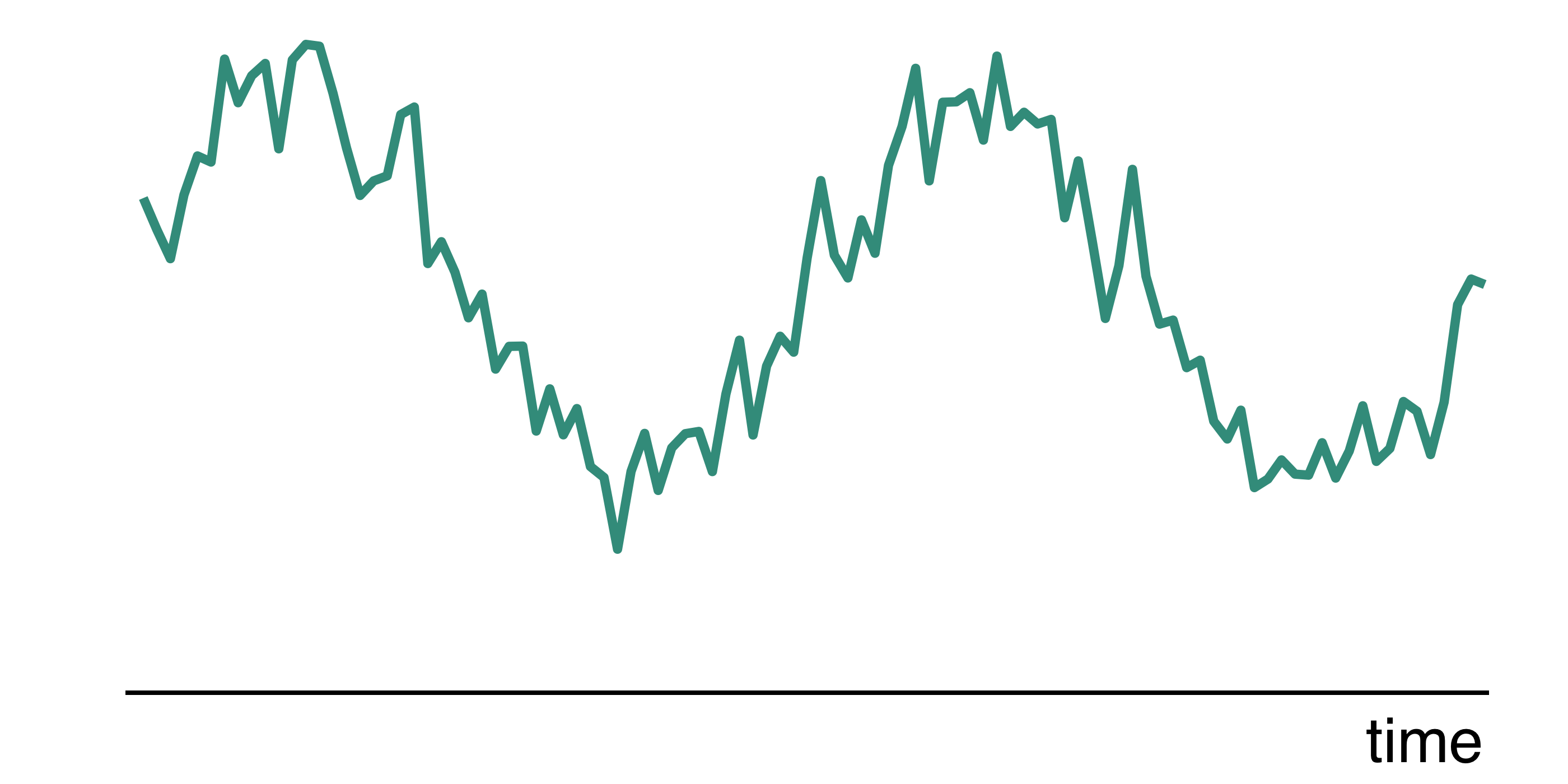
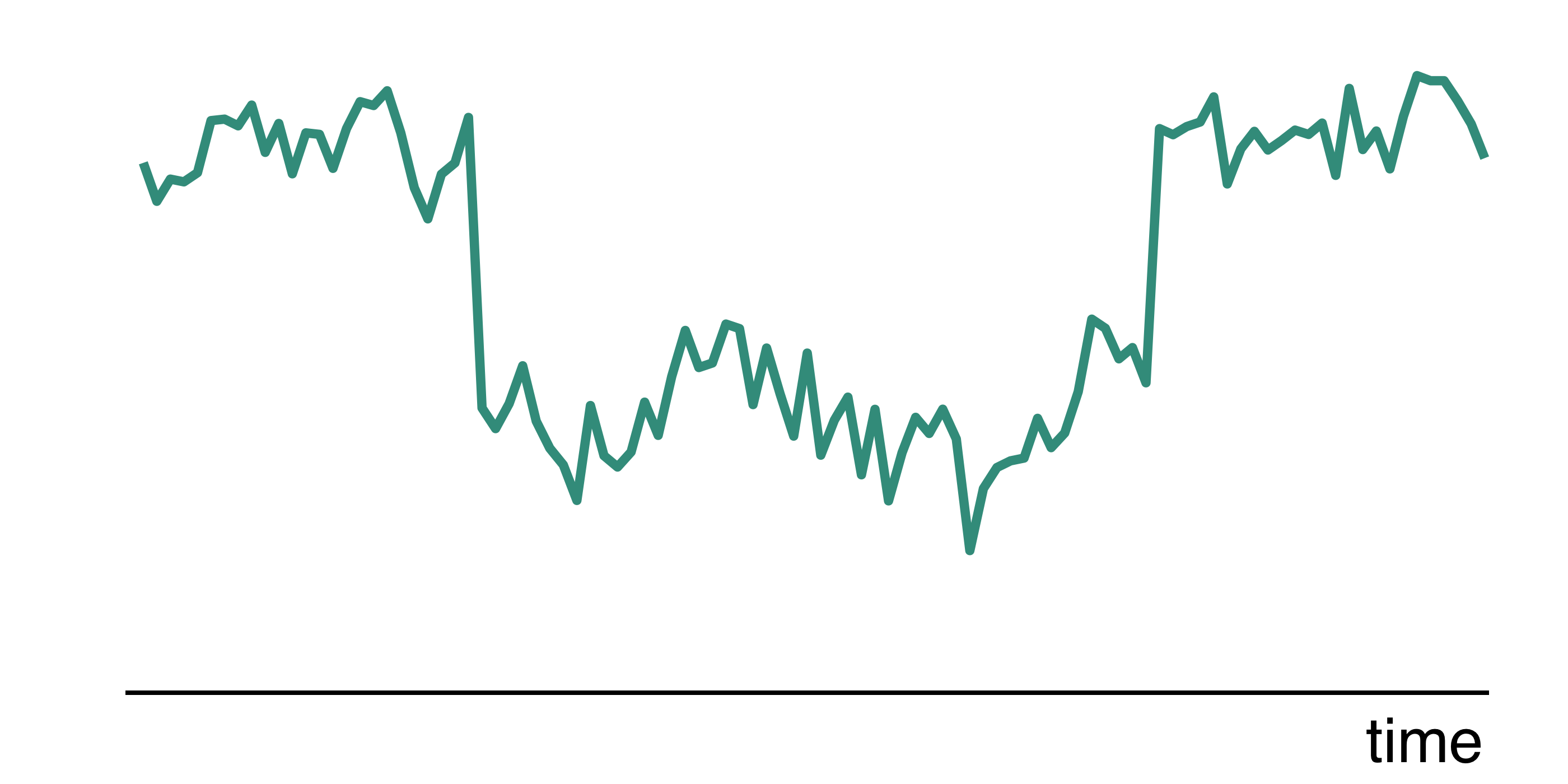
The process is characterized by transformation of some of its aspects over time. Most typically, change concerns the mean of a process. But other aspects may also change, such as the variance and/or the dynamics of the process. Change can be smooth or sudden, and may be lasting or reversible.
no change
The process is characterized by fluctuations up and down around a constant mean. Moreover, these fluctuations follow a stable pattern over time in terms of amount of variance and dynamics. While there may be temporary increases or decreases, these do not reflect structural changes.
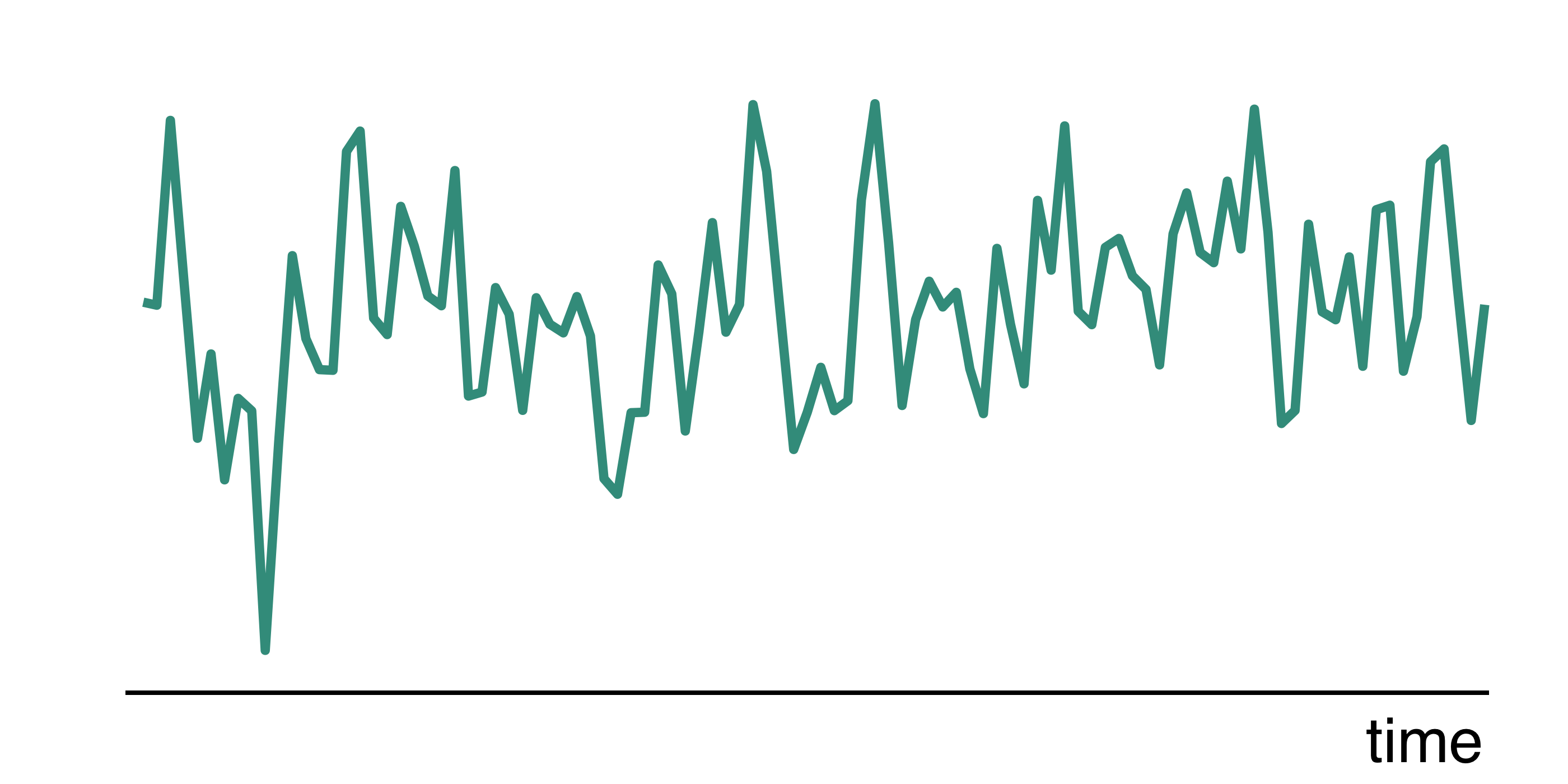
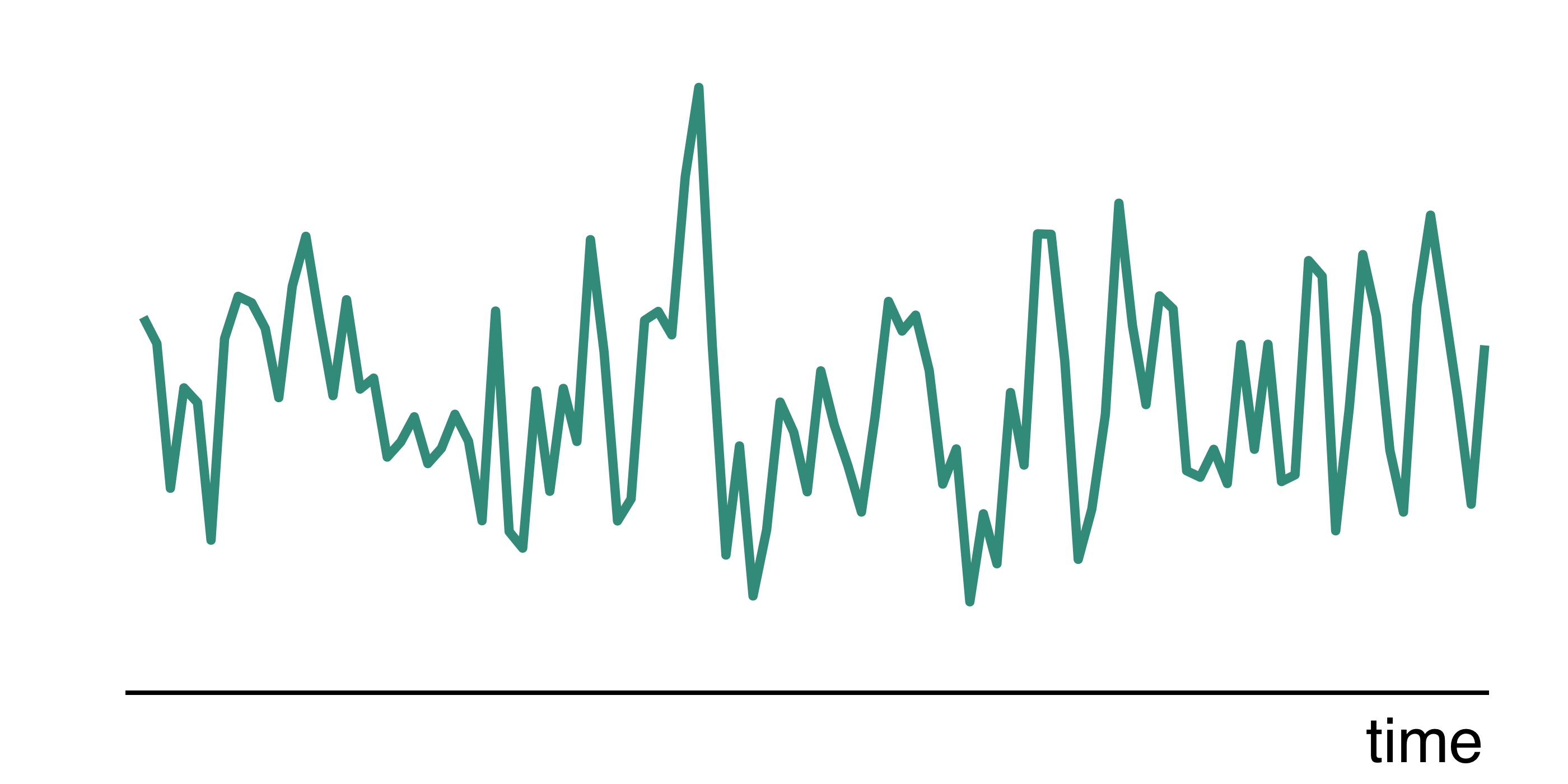
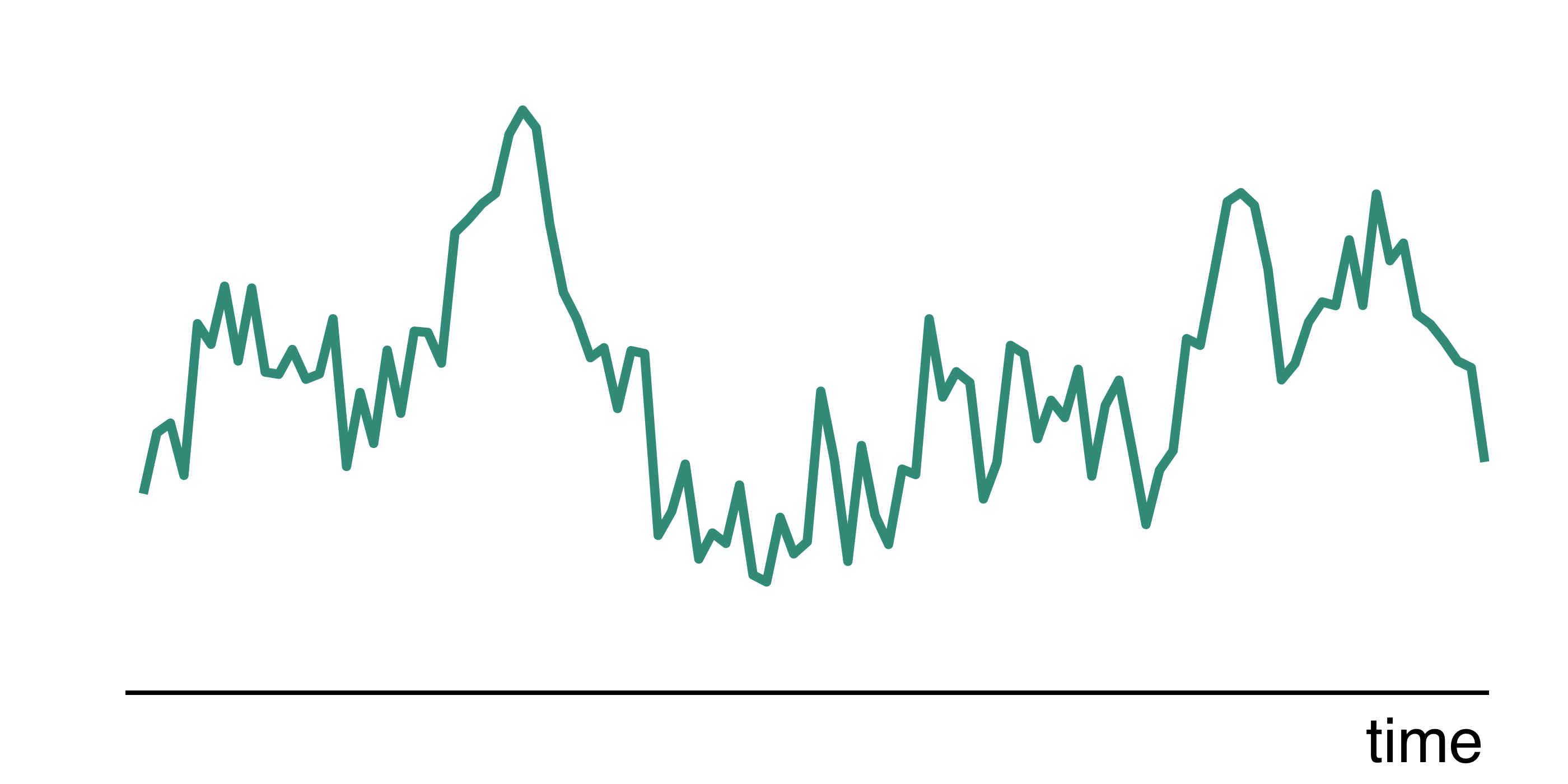
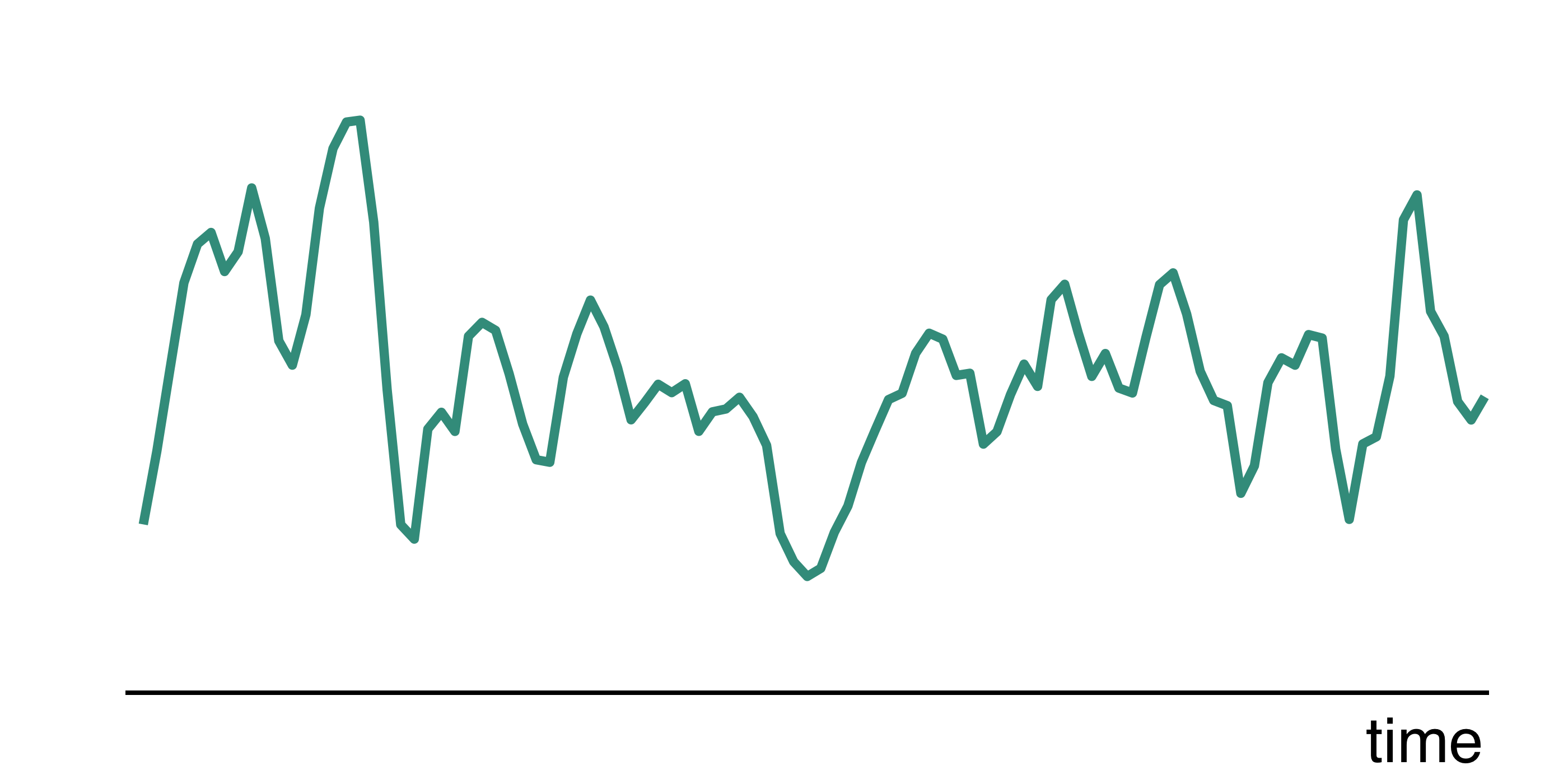
I think my process involves:
Not sure?
When you theorize about the process you are interested in, you may be certain that it is characterized by structural change; however, this is likely to depend on the timescale you are thinking about. It is therefore also important to take the temporal design that you have used or intend to use, into account.
When you look at empirical patterns in your intensive longitudinal measurements, it can be quite difficult to tell whether a process is characterized by actual change or not. Especially when the variability is large compared to the change, or when the change is in the dynamics rather than the mean, it can be hard to detect this by eyeballing the data.
When you are unsure whether the process is characterized by change or no change, continue with both options to get a better overview of the various modeling possibilities.